
bildit3D

Capabilities

Equipment, materials, and technical guidance

An overview of what we print with, what we print in, and what to consider when designing a part.

Equipment

Creality K2 Plus with CFS (multi-filament system)
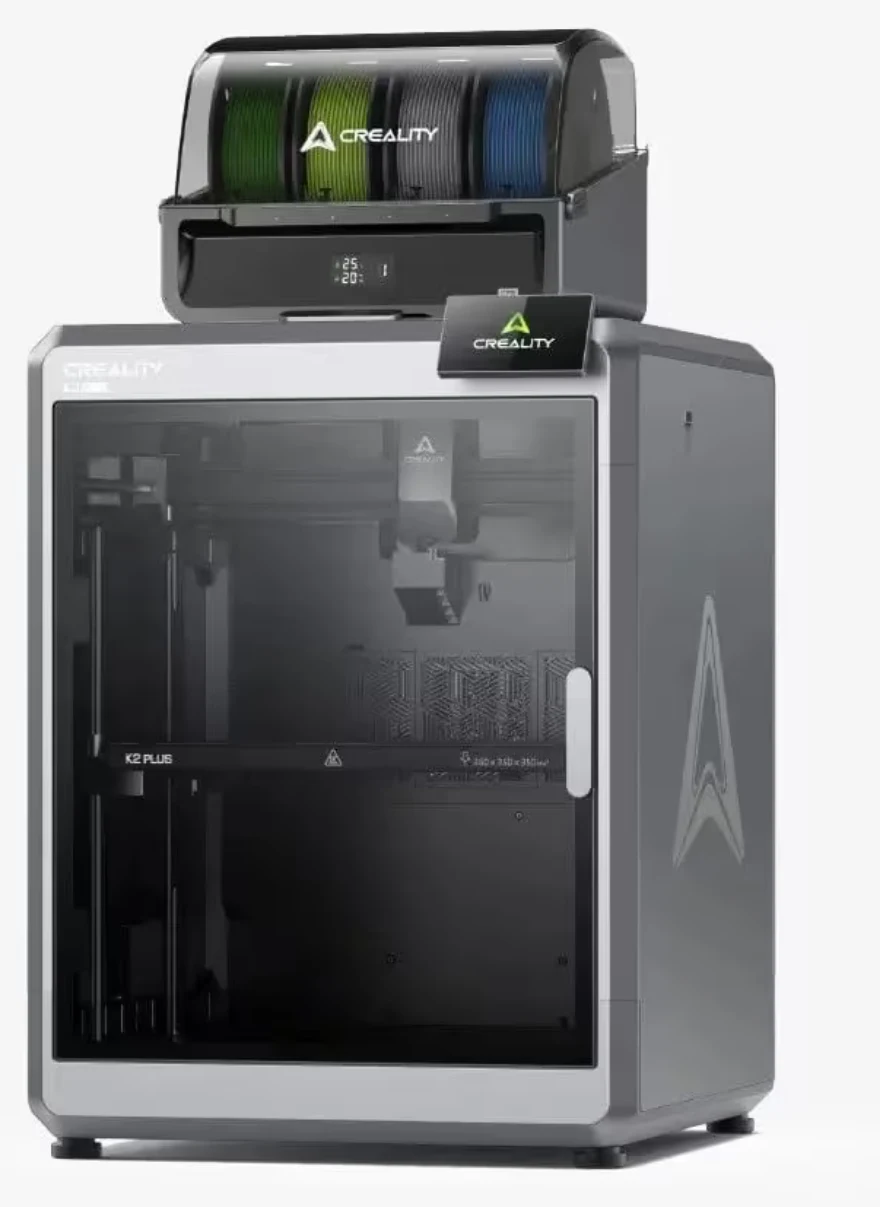
Creality K2 Plus with CFS (multi-filament system)

350 × 350 × 350 mm

Build Volume

Maximum size for a single-piece print

FFF / FDM

Printing Process

Identifies the manufacturing technology used

0.05–0.30 mm

Layer Height

Range of achievable detail and surface finish

350°C

Max Nozzle Temperature

Enables engineering-grade materials

Up to 60°C

Heated Chamber

Important for ABS, ASA, and advanced engineering materials

CFS module

Multi-Filament / Multi-Colour

Supports multi-colour and multi-material prints

Material Options

PLA

An easy-to-print, dimensionally stable material well suited to visual and light-duty parts.

Best for

  • Visual prototypes
  • Models
  • Fixtures
  • Light-duty components

PETG

A tougher, more temperature-resistant general-purpose material for functional parts.

Best for

  • Functional components
  • Enclosures
  • Brackets
  • General-purpose parts

ABS

A durable material with better heat resistance, suited to demanding functional applications. One of the two materials that can be acetone vapor smoothed.

Best for

  • Functional parts
  • Equipment components
  • Higher-temperature environments

ASA

Similar to ABS with improved UV resistance, making it a strong choice for outdoor use. Can also be acetone vapor smoothed.

Best for

  • Outdoor components
  • UV-exposed parts
  • Equipment mounts

TPU

A flexible, impact-absorbing material for parts that need to bend or cushion.

Best for

  • Flexible components
  • Bumpers
  • Feet
  • Protective interfaces

Engineering / Reinforced Materials

Carbon-fibre reinforced, nylon-based, and other specialty filaments for demanding applications. Specialty materials may be available depending on application requirements. Contact us to discuss your project.

Best for

  • Carbon-fibre reinforced materials
  • Nylon-based materials
  • Specialty filaments

Considerations

Designing for manufacturability

Part Size

Large components may be manufactured as one part where possible, or split into mechanically joined components when they exceed build volume.

Tolerances

Achievable accuracy depends on geometry, material, print orientation, part dimensions, and application requirements. Identify any critical dimensions when submitting a project.

Surface Finish

FDM printing produces visible layer lines. Orientation can be chosen to favour finish on visible or functional surfaces where possible.

Production Quantity

Best suited for prototypes, one-offs, replacement parts, custom components, and low-volume production.

Finishing & Assembly

Finishing & Assembly Capabilities

Every part includes standard post-processing. Additional finishing and hardware options are available depending on the application.

Standard Post-Processing

Included

Support removal, deburring, filing, cleanup and inspection as required.

Learn more about finishing →

Smooth Build Surface

Available

Smooth first-layer surface where geometry and print orientation allow.

Learn more about finishing →

Textured Build Surface

Available

Fine textured first-layer surface for a uniform matte appearance.

Learn more about finishing →

Acetone Vapor Smoothing

Optional Add-On

ABS and ASA only. Reduces layer visibility for a smoother cosmetic finish, but may affect dimensional tolerances and fine details.

Learn more about finishing →

Heat-Set Threaded Inserts

Optional Add-On

Durable metal threaded interfaces for parts requiring repeated assembly.

Learn more about finishing →

Have a project in mind?

Tell us about your part and we'll advise on material and feasibility.

Request a Quote